Industry News
Automated warehouses empowers the entire industry, accelerating the digital transformation and upgrading of warehousing
With the widespread adoption of smart manufacturing and intelligent logistics, the digital transformation of supply chains continues to accelerate. Automated warehouses, as the core intelligent equipment in modern warehousing, will undergo comprehensive upgrades and iterations by 2026. Transitioning from traditional automated storage systems to intelligent, flexible, and integrated warehousing hubs, they will empower major industries such as manufacturing, new energy, pharmaceuticals, e-commerce, and cold chain logistics, becoming a critical lever for enterprises to reduce costs, enhance efficiency, and achieve digital upgrades.
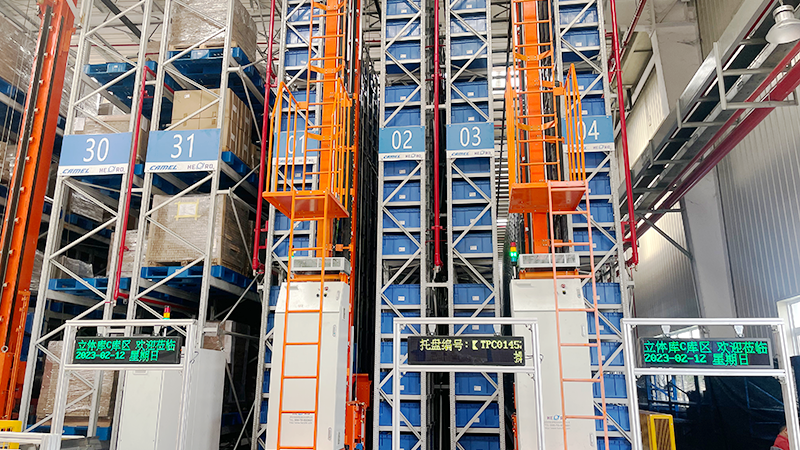
According to the latest industry data, the domestic intelligent warehousing market continues to grow steadily, with the scale of the automated high-bay warehouse industry expanding at a steady pace and the localization replacement process accelerating. Compared to traditional flat warehouses, automated high-bay warehouses offer significant advantages, increasing storage space utilization by 3 to 5 times, enabling fully automated operations for goods handling, storage, and sorting, and improving material turnover efficiency by over 60%. Inventory accuracy can reach 99.9%, effectively addressing the pain points of traditional warehousing such as large land occupancy, high labor costs, low efficiency, and significant inventory discrepancies. These systems are well-suited to meet modern enterprises' needs for multi-category, high-turnover, and high-precision warehousing.
This year's most significant transformation in the industry is the intelligent deep integration of automated storage systems. The new generation of equipment is deeply interconnected with 5G, IoT, AI algorithms, and digital twin technology, enabling coordinated equipment scheduling, intelligent inventory allocation, and early fault prediction, completely replacing traditional mechanical operation modes. Meanwhile, modularization and platformization have become mainstream trends, allowing flexible expansion and adaptation based on enterprise space and order requirements. These advancements integrate various management systems such as WMS, WCS, and ERP, breaking down information silos to achieve full-process visualization and digitalized control in warehousing.
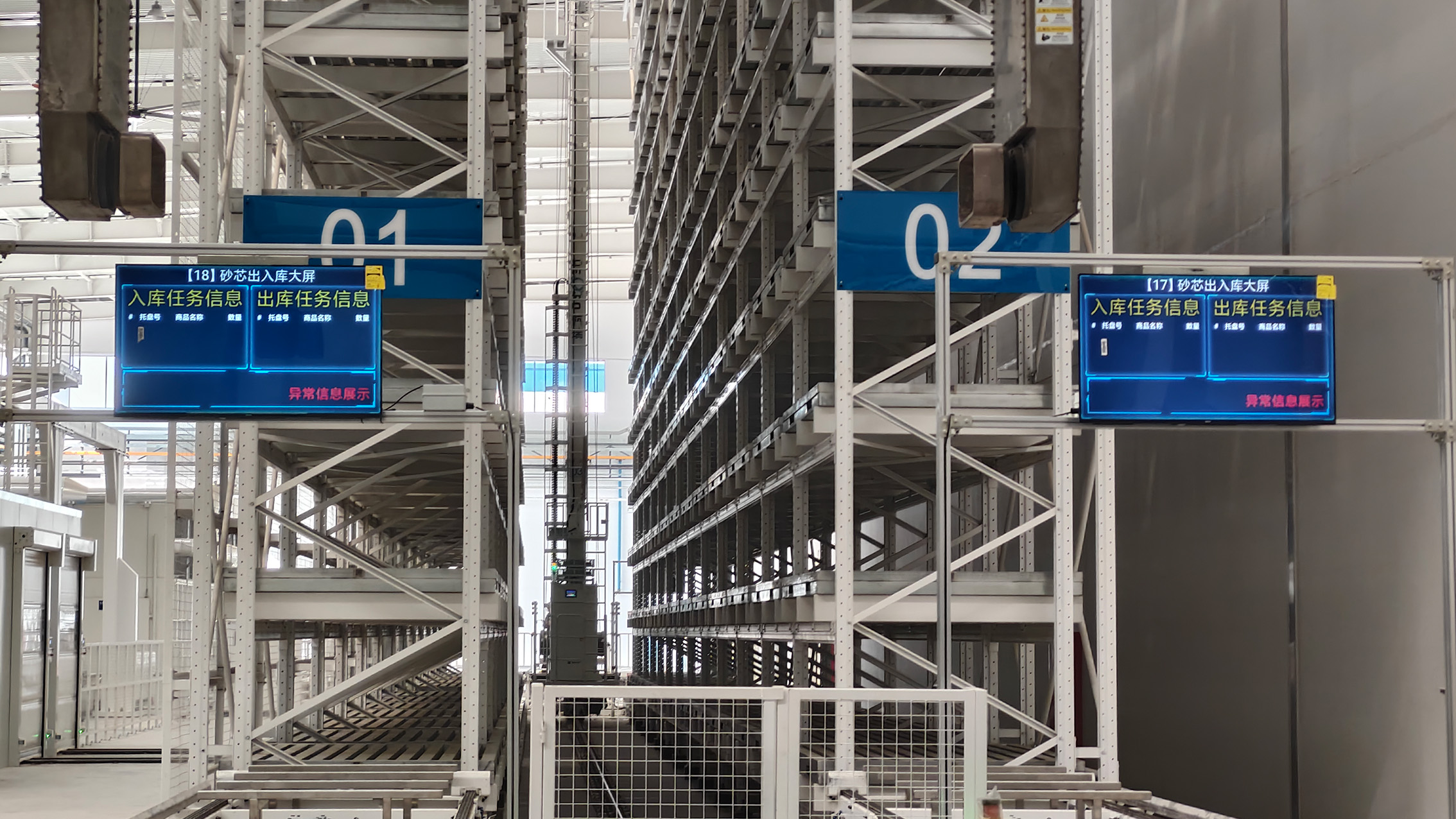
Looking ahead, automated warehouses will continue to evolve toward intelligence, flexibility, green sustainability, and lightweight design, catering to the digital transformation needs of enterprises of all sizes. They will further empower supply chain upgrades, becoming a core driver for high-quality development in logistics and manufacturing.