Amid explosive growth in e-commerce orders and continuously escalating demands for flexible manufacturing, traditional warehousing models face increasingly acute challenges such as space constraints, inefficiency, and disorganized management. As the core solution in intelligent warehousing, automated warehouses—with their robust adaptability across diverse scenarios and end-to-end optimization capabilities—are emerging as a critical choice for industries seeking to break through development bottlenecks. They are driving the steady transformation of warehousing into a “value hub.”
The application of automated warehouses in e-commerce logistics has set an industry benchmark. During promotional peak periods, traditional manual warehouses often experience delays in order picking, mis-shipping, and missing items. In contrast, automated warehouses achieve 24/7 uninterrupted operations through intelligent scheduling systems that coordinate AGV robots and sorting equipment. After implementing an automated warehouse, a leading e-commerce logistics provider saw order processing efficiency increase by over threefold, while picking error rates dropped below one in ten thousand. This successfully underpinned “same-day delivery” and “next-day delivery” commitments, significantly boosting customer satisfaction and becoming a key factor in consolidating competitive advantages for e-commerce enterprises.
In manufacturing, automated warehouses enable seamless coordination between storage and production. Traditional manufacturers often face production halts due to unclear raw material inventory or increased turnover costs from disorganized finished goods storage. Automated warehouses, however, seamlessly integrate with ERP and MES systems to synchronize real-time data on raw material intake, consumption, and finished goods storage. Take automotive parts manufacturers as an example: automated warehouses enable “order-picking” based on production line cadences. Stacker cranes precisely handle part storage, retrieval, and transfer, reducing manual handling by 90% while ensuring production continuity and boosting raw material inventory turnover efficiency by over 40%.
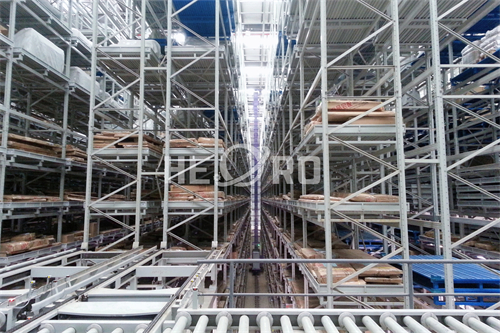
The pharmaceutical and electronics industries' stringent storage environment requirements fully showcase the advantages of automated warehouses. The pharmaceutical sector demands strict control over storage temperature, humidity, and batch traceability. Automated warehouses meet these compliance requirements by using built-in sensor systems for real-time environmental monitoring and serial number tracking technology for end-to-end traceability. In electronics manufacturing, the enclosed shelving design of automated warehouses shields components from dust and humidity, reducing damage rates from 5% in traditional warehouses to below 0.1%.
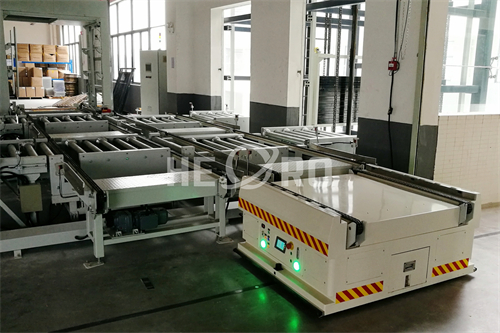
From rapid fulfillment in e-commerce to flexible production in manufacturing, from compliant pharmaceutical storage to precise electronics management, automated warehouses are reshaping industry-wide storage landscapes with their versatile adaptability. For enterprises pursuing high-quality development, adopting automated warehouses is no longer an option—it is an imperative choice for enhancing core competitiveness and achieving digital transformation in warehousing.