As the wave of digital and intelligent transformation sweeps across the globe, smart warehouses—as the core vehicle for the logistics industry’s transformation—are leveraging cutting-edge technologies to reshape warehousing operations. They are propelling the industry’s transition from traditional, extensive management toward refined and intelligent operations, serving as a key pillar of the new momentum driving the development of the logistics sector. The widespread adoption of smart warehouses not only optimizes the entire warehousing operation process but also helps enterprises achieve their core objectives of reducing costs, improving efficiency, and enhancing market competitiveness.
With technology as the core driving force, smart warehouses integrate diverse technologies such as the Internet of Things (IoT), artificial intelligence (AI), big data, and automated control to create a fully intelligent operational system. At its core, through the coordinated interaction of smart devices and management systems, it enables unmanned and automated operations across all stages of warehousing—from intelligent scanning and sorting upon goods receipt, to dynamic monitoring and precise location tracking during storage, to smart verification and rapid dispatch during outbound processing. Every stage achieves dual improvements in both efficiency and accuracy.
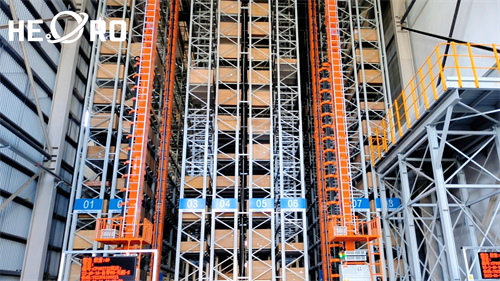
Compared to traditional warehousing models, the core advantages of smart warehouses lie in two aspects: refined management and high operational efficiency. Through intelligent warehouse management systems, enterprises can monitor inventory dynamics in real time, precisely control storage locations, and avoid issues such as inventory backlogs and shortages. At the same time, this significantly reduces manual intervention, lowering labor costs and minimizing human error. Additionally, smart warehouses can flexibly adjust operational workflows based on actual needs, accommodating diverse product categories and storage scales, as well as meeting the personalized requirements of various sectors such as e-commerce, manufacturing, and cold-chain logistics.
As technology continues to evolve and upgrade, the application scenarios for smart warehouses are constantly expanding, and their level of intelligence is continuously improving. Currently, an increasing number of enterprises are investing in smart warehouse development, leveraging technological upgrades to achieve digital transformation in warehousing operations and enhance coordination efficiency across the entire logistics supply chain. In the future, smart warehouses will further integrate emerging technologies to enable more precise inventory management, more efficient operational workflows, and smarter collaborative coordination. This will continue to inject new momentum into the high-quality development of the logistics industry and lead the warehousing sector into a new era of digital intelligence.