Industry News
Intelligent warehousing technology continues to advance, with digitalization and flexible automation emerging as new trends
Digital twin technology is becoming one of the key applications in smart warehousing. By mapping shelves, equipment, storage locations, goods, and operational tasks from physical warehouses to the digital space, it enables more intuitive monitoring of warehouse operations, real-time tracking of equipment performance, task execution, and inventory changes, thereby providing data support for warehouse management and operational optimization.
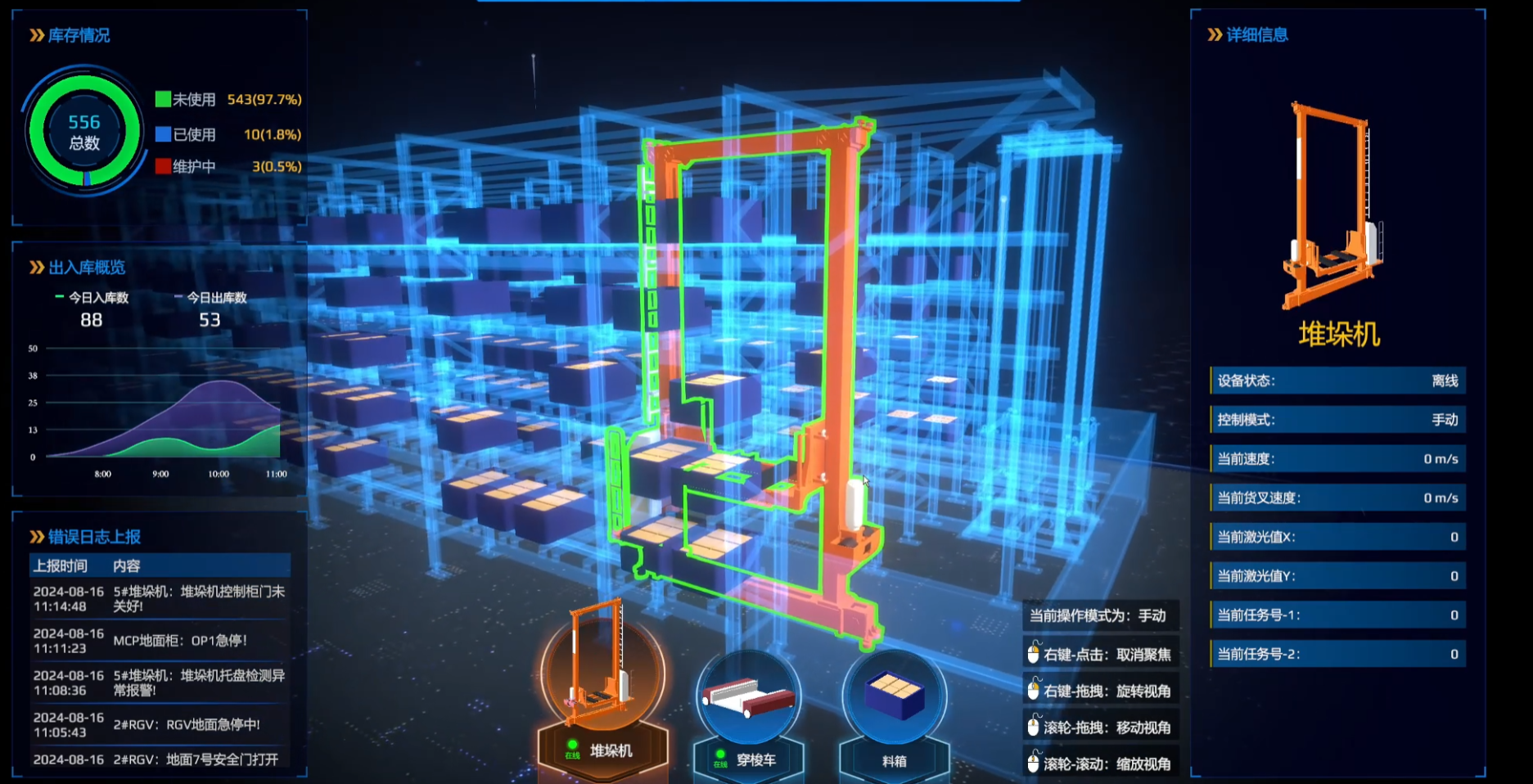
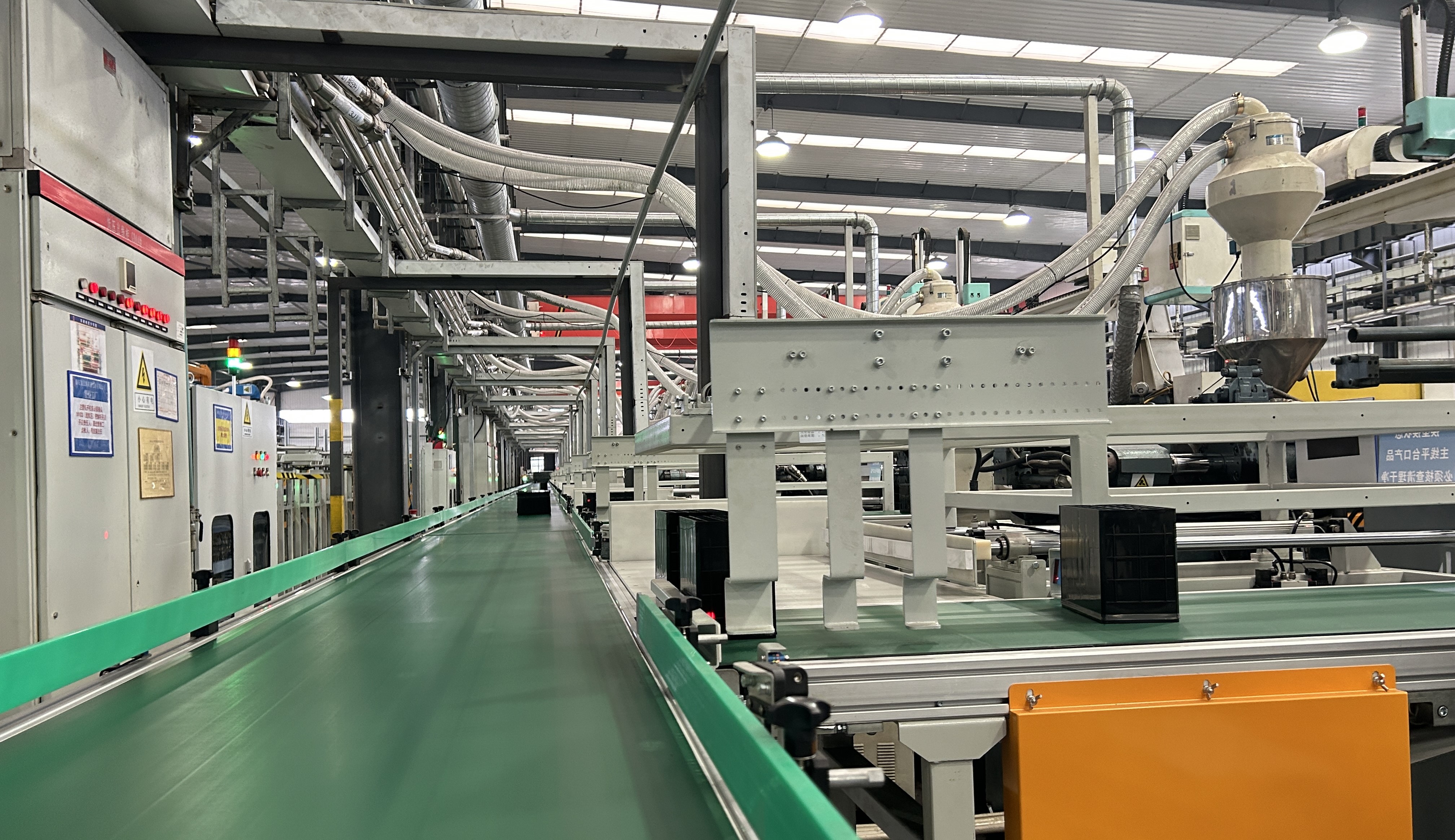
Meanwhile, the application of automated equipment has evolved from the operation of single devices to the collaborative development of multiple devices. Equipment such as stackers, AGVs, RGVs, conveyor systems, and robotic arms achieve coordinated operation across different tasks through unified scheduling. Compared to simply increasing the automation level of individual devices, multi-device coordination can further integrate storage, handling, picking, and outbound processes.
Flexible automation is also a crucial direction in the current development of warehousing technology. As order structures, SKU quantities, and business demands continue to evolve, enterprises require warehousing systems with enhanced adaptability. Flexible equipment such as AGVs, AMRs, and CTUs can be dynamically scheduled based on varying operational tasks, offering more adaptable solutions for warehousing scenarios involving diverse product types, small batches, and high-frequency operations.
At the software level, the collaboration between systems such as WMS and WCS is becoming increasingly important. The WMS handles business and inventory management, while the WCS manages equipment scheduling and task execution. Together, they integrate with on-site automation equipment to enable more efficient coordination of warehousing operations, inventory data, and equipment performance.
From automated equipment to digital twins, from single-point applications to system collaboration, intelligent warehousing is gradually evolving from "equipment automation" to "system intelligence." In the future, as digital technologies further integrate with automated equipment, warehousing and logistics will place greater emphasis on system flexibility, collaborative capabilities, and overall operational efficiency.