Industry News
Understanding Smart Warehouses in One Article: Technology-Empowered Storage Upgrades Unlock New Supply Chain Efficiency.
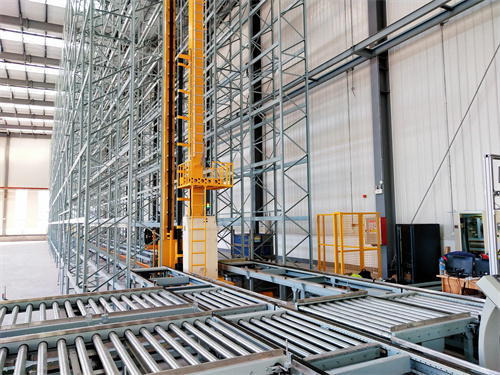
The core competitiveness of smart warehouses stems from the integration and synergistic application of multiple technologies. Their core components comprise three major segments: First, automated handling equipment—AGV transport robots, automated sorters, and automated storage and retrieval systems (AS/RS)—replace manual labor in performing heavy lifting, sorting, and storage tasks, reducing human error. Second, intelligent management systems—Warehouse Management Systems (WMS) and IoT sensors—collect real-time inventory and operational data, enabling precise inventory control and visualizing workflow processes. Third, intelligent algorithm support optimizes storage allocation and order picking routes through big data analysis, making warehouse operations more scientific and efficient.
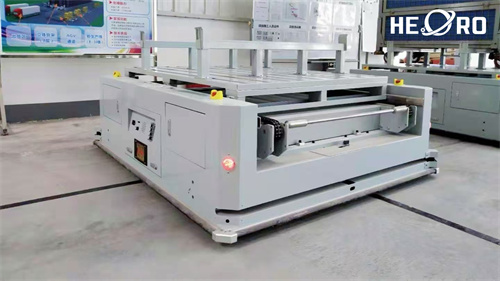
Compared to traditional warehouses, smart warehouses offer particularly prominent advantages, which are also the core reasons for their rapid adoption. In terms of efficiency, smart warehouses enable 24/7 uninterrupted operations, boosting picking and outbound efficiency by over 50% compared to traditional models, significantly shortening order delivery cycles. Regarding costs, automated operations reduce reliance on manual labor, lowering labor management and error costs. Simultaneously, multi-level storage significantly improves warehouse space utilization, reducing site investment. In management, end-to-end digital control streamlines inventory audits and goods traceability, achieving over 99.9% inventory accuracy while effectively preventing stockpiling and goods deterioration.