As supply chain digital transformation enters its critical phase, warehousing—a vital hub in the supply chain—directly determines operational efficiency and competitiveness through its level of intelligence. Intelligent automated storage systems, serving as key enablers of warehouse intelligence, integrate automation, informatization, and smart technologies. They not only optimize storage space utilization but also drive the transformation of warehousing from “passive storage” to “proactive empowerment,” becoming a crucial lever for enterprises to reduce costs, enhance efficiency, and achieve digital upgrades.
An intelligent automated storage and retrieval system is not merely a simple combination of individual devices, but a complete intelligent warehousing system. Its core components encompass three major modules: high-bay shelving systems, automated storage and retrieval equipment (AS/RS), and intelligent control systems. The high-bay shelving employs a modular design, allowing flexible layout based on actual site conditions to optimize the value of vertical space. The automated storage and retrieval equipment centers on stacker cranes, complemented by conveyors, AGVs, and other intelligent devices to achieve automated goods handling and retrieval. The intelligent control system seamlessly integrates WMS, WCS, and ERP systems to enable real-time data collection, analysis, and scheduling, achieving full-process visualization and precision management.
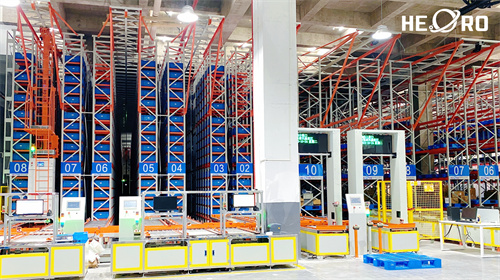
Compared to traditional warehousing models, intelligent automated warehouses offer significant advantages in three key areas: digitalization, flexibility, and intensification. In terms of digitalization, these systems enable comprehensive digital control over goods information, operational workflows, and equipment status, eliminating information silos and facilitating data collaboration across the supply chain. Regarding flexibility, they rapidly adapt to diverse operational demands—including multiple product categories, small batches, and frequent shipments—by dynamically adjusting storage strategies and workflows to respond to rapidly changing market needs. In terms of intensification, they enhance space utilization and reduce labor costs, helping enterprises lower warehousing operational expenses and improve capital turnover efficiency.
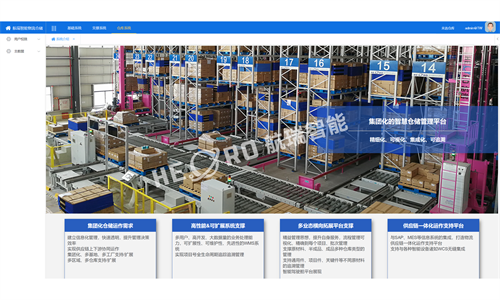
From an industry application perspective, the adaptable scenarios for intelligent automated warehouses are continuously expanding. They have extended from traditional manufacturing and e-commerce to high-end sectors such as new energy, semiconductors, and fresh cold chain logistics. In the new energy sector, intelligent automated storage systems enable precise storage and traceability of battery raw materials and finished products, ensuring production process stability. In the semiconductor industry, customized designs featuring constant temperature and humidity control, dustproofing, and anti-static measures meet the storage requirements for precision components. In the fresh cold chain domain, deep integration with cold chain systems achieves end-to-end low-temperature storage and efficient product turnover, safeguarding product freshness.
Looking ahead, intelligent automated storage systems will deepen collaboration with big data, IoT, and AI technologies to achieve more accurate demand forecasting, higher-efficiency operational scheduling, and greater flexible adaptation. As a solution for warehouse intelligence, these systems will continue driving digital upgrades in supply chains, empowering enterprises to build efficient, agile, and intelligent supply chain systems, thereby injecting new momentum into the industry's high-quality development.