Industry News
From AGV to AMR: Warehouse Handling Robots Are Advancing Toward Autonomous Intelligence
Traditional AGVs have played a significant role in warehousing and logistics, transporting goods via magnetic strips, QR codes, or fixed paths, effectively reducing manual handling costs and improving operational efficiency. However, due to their fixed routes, their flexibility remains somewhat limited when dealing with complex environments and dynamic tasks.
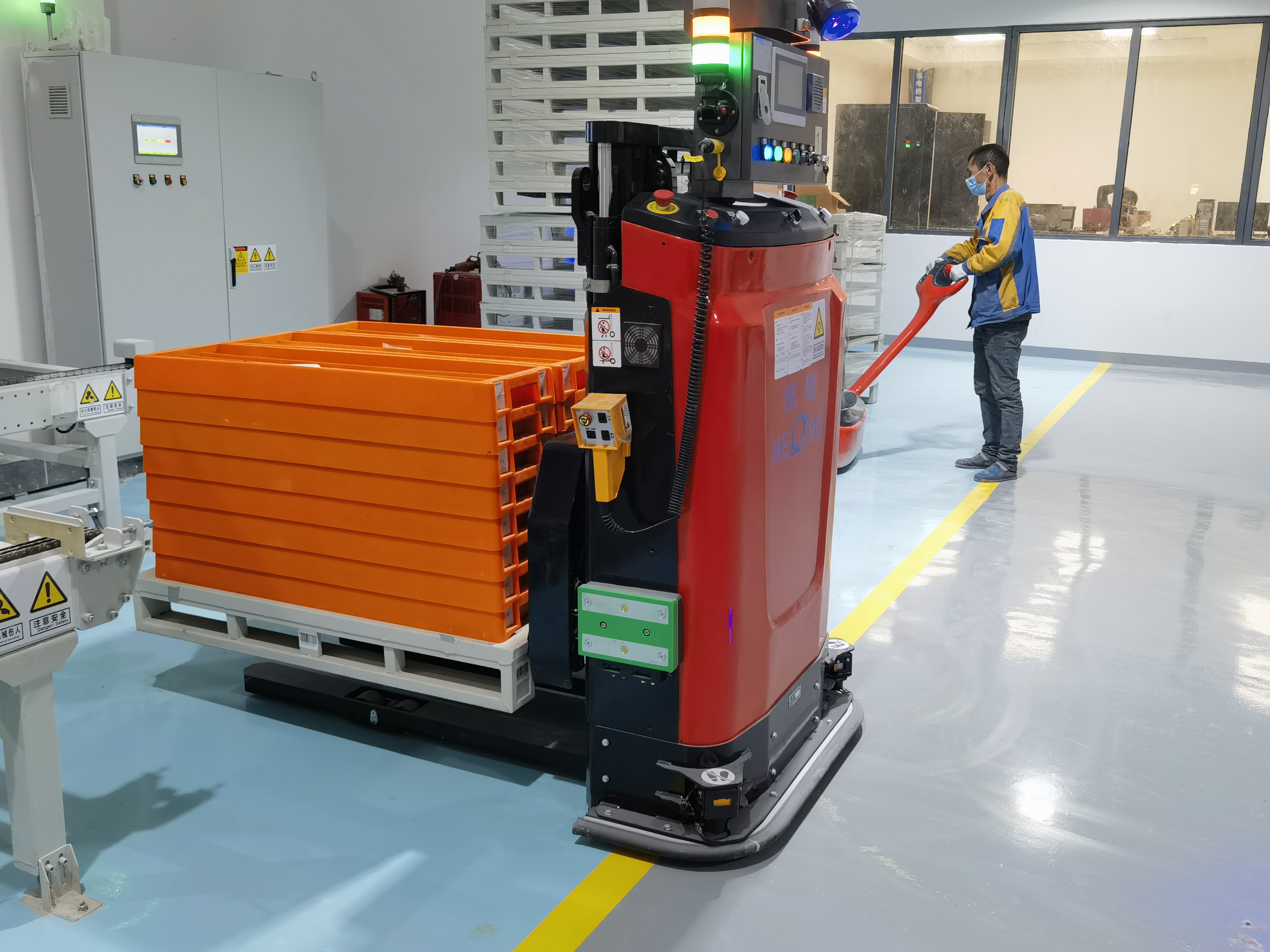
In contrast, AMR possesses stronger autonomy. Equipped with LiDAR, visual sensors, and intelligent algorithms, AMR can perceive the surrounding environment in real time, autonomously plan optimal routes, and dynamically adjust operational strategies based on task changes. Even when warehouse layouts change, there is no need to reconfigure routes, significantly enhancing system adaptability and operational efficiency.
In smart warehousing scenarios, AGVs and AMRs are deeply integrated with WMS (Warehouse Management System) and WCS (Warehouse Control System), enabling intelligent collaboration in order allocation, task scheduling, and cargo handling. Robots can automatically assign tasks based on priority levels, enhancing overall warehouse operational efficiency.
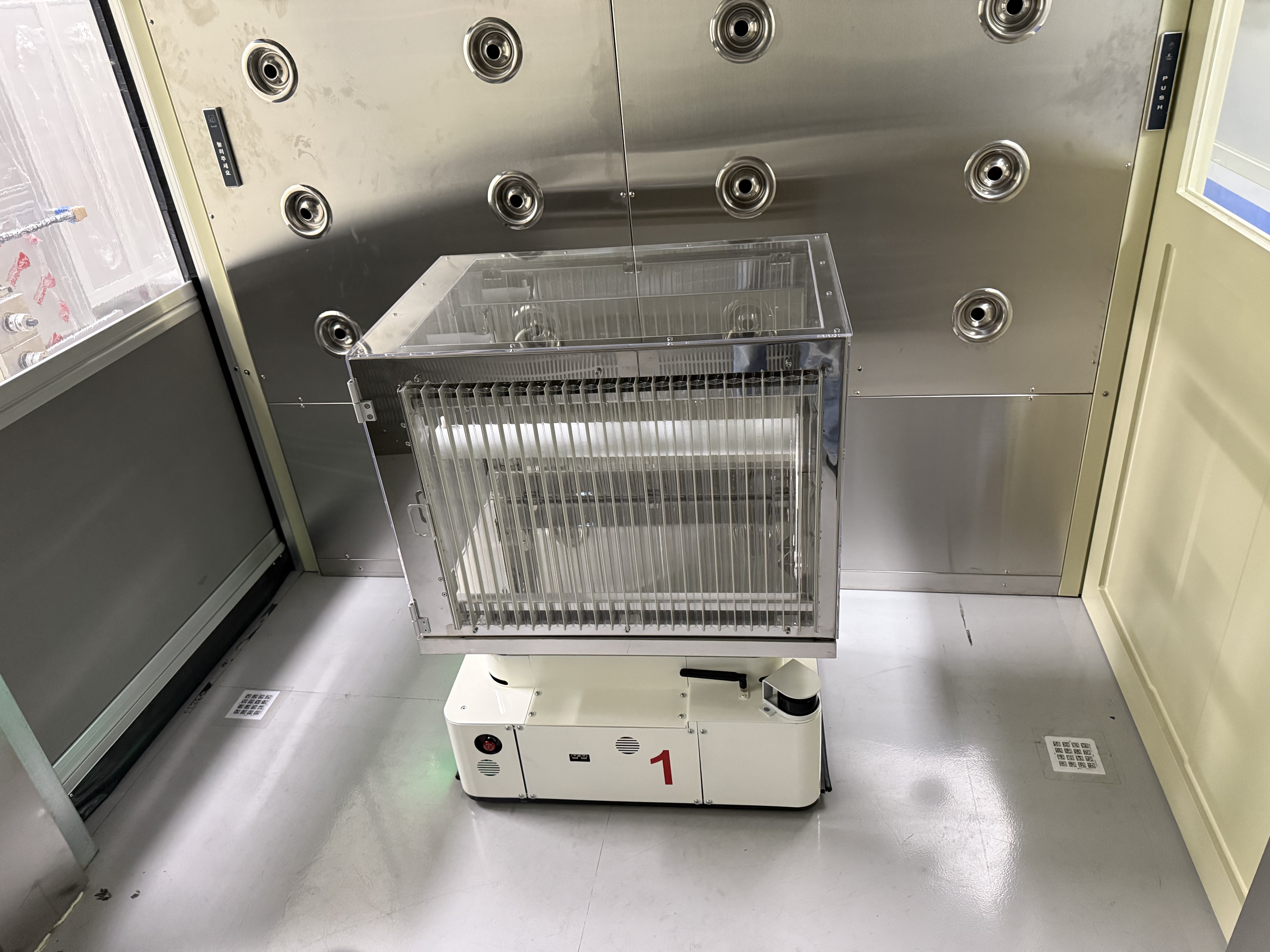
From AGV to AMR, the evolution of warehouse handling robots reflects the trend of intelligent upgrading in the logistics industry. In the future, more flexible, efficient, and autonomous mobile robots will become a crucial component of smart warehousing systems, helping enterprises enhance efficiency, reduce costs, and achieve comprehensive upgrades in logistics management.