Industry News
News Center
2026.10.19
What Is Intelligent Warehousing?
As business operations expand, the functions required of warehousing and logistics continue to grow. Faced with challenges such as an increasing number of SKUs, fluctuating order volumes, rising labor costs, and limited storage space, traditional warehousing models are struggling to maintain efficiency in storage, operations, and inventory management. Against this backdrop, intelligent warehousing has emerged as a key direction for the modernization of corporate warehousing.
So, what exactly is intelligent warehousing?
Intelligent warehousing is more than just the addition of automated equipment. Consider a typical warehouse workflow: once goods arrive, the system determines storage strategies based on current inventory levels, product attributes, and available storage locations, then dispatches tasks to the appropriate equipment. During the outbound process, the system allocates inventory based on order requirements and generates specific operational tasks. Equipment such as stacker cranes, conveyor systems, automated guided vehicles (AGVs), and rail-guided vehicles (RGVs) then work in coordination to handle the goods, ensuring a seamless, orderly flow from order receipt to final dispatch.
In this ecosystem, the WMS handles warehousing operations and inventory management; control systems—such as the warehouse control system (WCS)—manage equipment scheduling and task execution; and physical assets like stacker cranes, AGVs, conveyors, and sorting systems carry out the actual logistics tasks. Through the synergy between these systems and equipment, a warehouse can transition from a traditional, manual management model to a digital, automated operation.
It is important to note that there is no "one-size-fits-all" solution for intelligent warehousing. Because companies differ in terms of product types, SKU counts, inventory scale, the frequency of inbound and outbound movements, and specific operational workflows, their requirements for warehousing systems and equipment will naturally vary. Therefore, the key to building an intelligent warehousing system lies not merely in selecting specific pieces of equipment, but in developing a comprehensive plan—based on a company’s actual needs—that encompasses warehouse space, operational processes, systems, and equipment, ensuring effective synergy across all components.
So, what exactly is intelligent warehousing?
Simply put, intelligent warehousing is a model that integrates warehouse management systems (WMS), control systems, and automated logistics equipment to manage the entire lifecycle of goods—from inbound receiving, storage, handling, and picking to outbound dispatch—in a digital and automated manner.
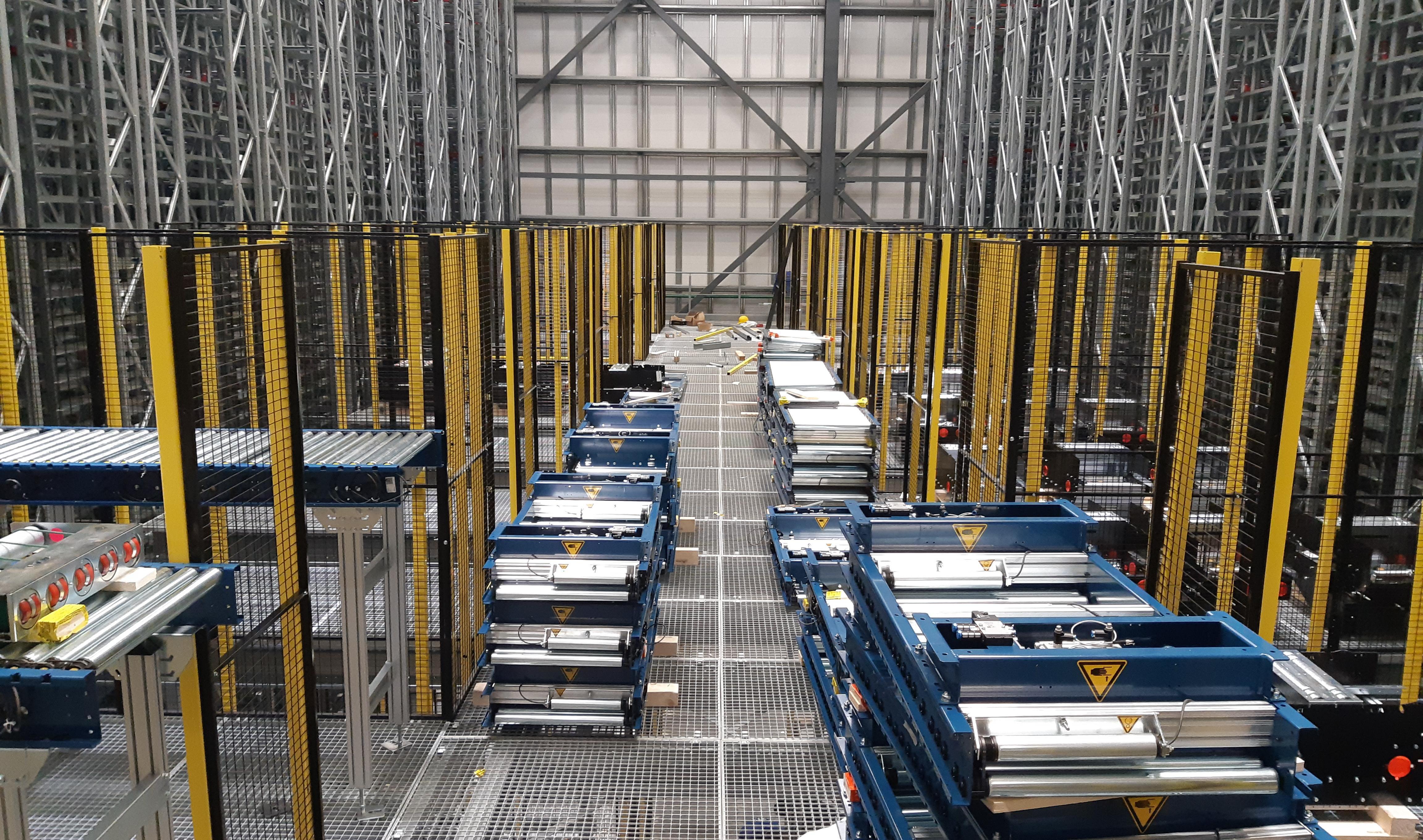
Intelligent warehousing is more than just the addition of automated equipment. Consider a typical warehouse workflow: once goods arrive, the system determines storage strategies based on current inventory levels, product attributes, and available storage locations, then dispatches tasks to the appropriate equipment. During the outbound process, the system allocates inventory based on order requirements and generates specific operational tasks. Equipment such as stacker cranes, conveyor systems, automated guided vehicles (AGVs), and rail-guided vehicles (RGVs) then work in coordination to handle the goods, ensuring a seamless, orderly flow from order receipt to final dispatch.
In this ecosystem, the WMS handles warehousing operations and inventory management; control systems—such as the warehouse control system (WCS)—manage equipment scheduling and task execution; and physical assets like stacker cranes, AGVs, conveyors, and sorting systems carry out the actual logistics tasks. Through the synergy between these systems and equipment, a warehouse can transition from a traditional, manual management model to a digital, automated operation.
The value of intelligent warehousing extends well beyond simply "reducing the need for human labor." High-density, vertical storage solutions maximize the use of available warehouse space; systematic management enhances the accuracy and transparency of inventory data; and automated processes minimize redundant handling, significantly boosting overall operational efficiency.
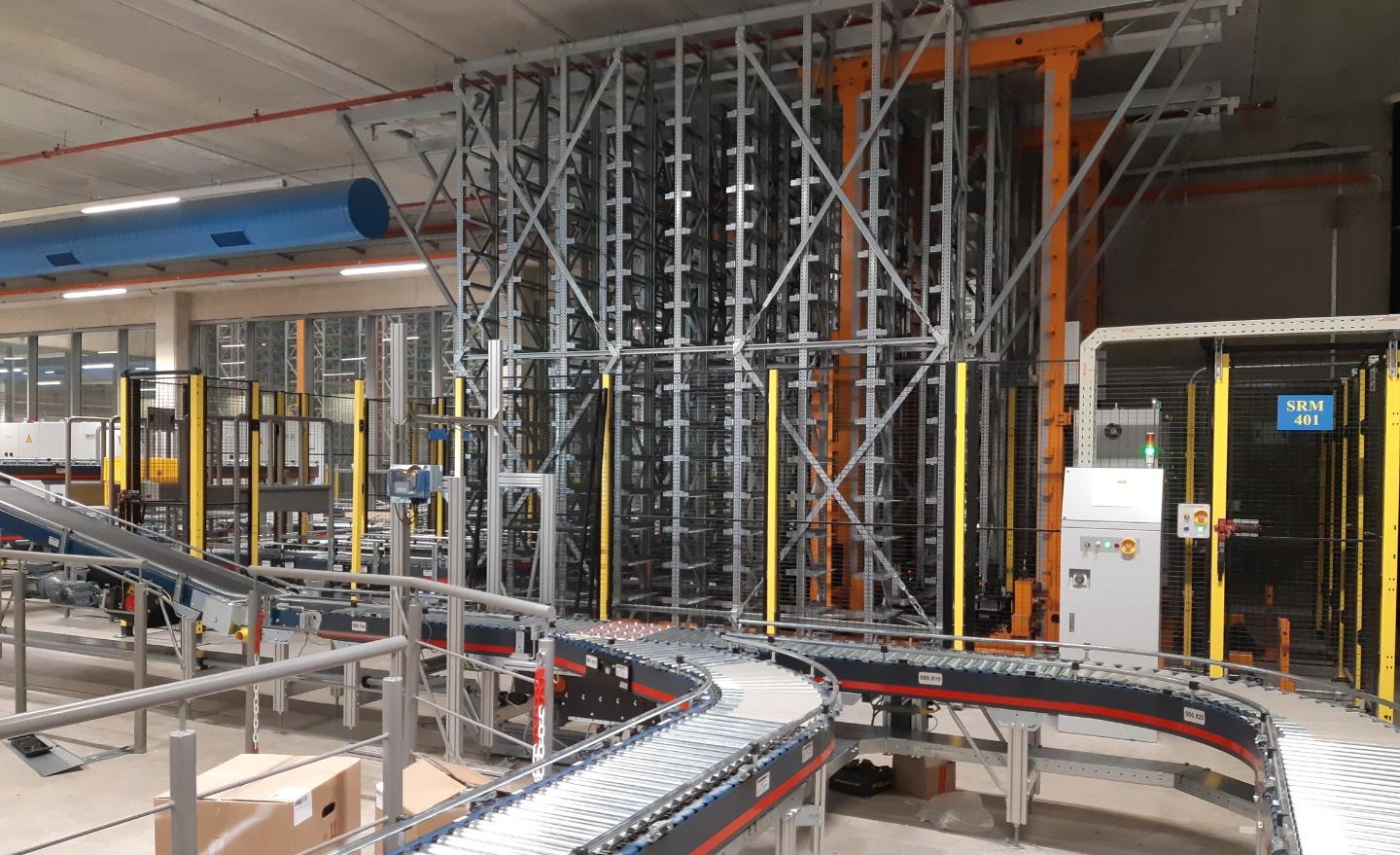
It is important to note that there is no "one-size-fits-all" solution for intelligent warehousing. Because companies differ in terms of product types, SKU counts, inventory scale, the frequency of inbound and outbound movements, and specific operational workflows, their requirements for warehousing systems and equipment will naturally vary. Therefore, the key to building an intelligent warehousing system lies not merely in selecting specific pieces of equipment, but in developing a comprehensive plan—based on a company’s actual needs—that encompasses warehouse space, operational processes, systems, and equipment, ensuring effective synergy across all components.