In the realm of intelligent logistics, information systems serve as the undisputed powerhouse, propelling the industry toward rapid advancement in efficiency and intelligence.
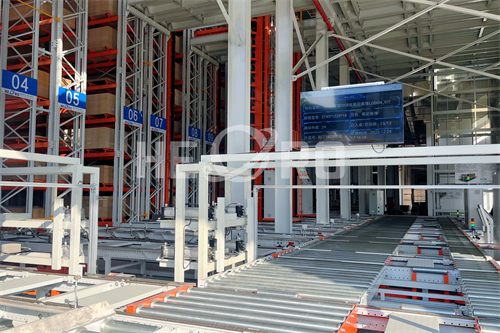
Warehouse management is a critical component of logistics, and the Warehouse Management System (WMS) within information systems forms the core of this function. WMS enables comprehensive warehouse management, encompassing operations such as goods receipt, storage, inventory counting, and goods issue. By integrating with IoT technology, WMS can obtain real-time information on goods' location, quantity, and status, achieving visual inventory management.
Transportation management similarly relies on information systems. The Transportation Management System (TMS) handles the overall planning, scheduling, and tracking of transport tasks. It selects optimized routes and modes based on cargo weight, volume, and destination, efficiently allocating vehicles and drivers to optimize transportation resources. Simultaneously, TMS uses IoT and other technologies to monitor shipment status in real time, promptly identifying and resolving issues like vehicle breakdowns or traffic congestion to ensure timely and secure delivery.
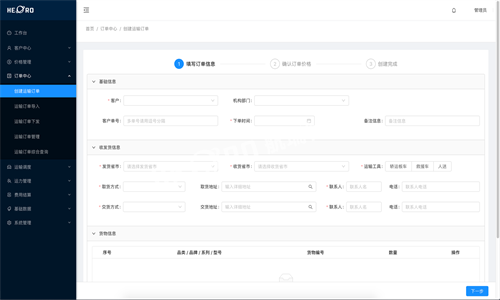
In order processing, information systems also play a vital role. The Order Management System (OMS) enables rapid order receipt, processing, and tracking, enhancing efficiency and accuracy. Upon customer order placement, OMS automatically routes order details to relevant departments like warehousing and transportation, facilitating seamless coordination across operations. Simultaneously, OMS provides real-time updates on order processing progress, allowing customers to monitor their order status at any time and improving customer experience.
As the core backbone of smart factories and intelligent logistics, information systems are profoundly transforming operational models in manufacturing and logistics. Through extensive application across all stages of smart factories and intelligent logistics, these systems enable intelligent, automated, and refined management of production and logistics, delivering significant economic benefits and competitive advantages to enterprises. In the future, with the continuous advancement of information technology, information systems will play an even greater role in more fields, propelling smart factories and intelligent logistics toward higher stages of development.
Warehouse management is a critical component of the logistics supply chain, and information systems have revolutionized this field by enabling intelligent inventory management. Through these systems, smart warehouses achieve real-time inventory monitoring. Business managers can access dynamic inventory updates anytime, anywhere—including goods receipt, shipment, and stock levels—enabling timely decisions to prevent overstocking or stockouts.
Information systems also enable intelligent inventory counting, significantly enhancing efficiency and accuracy. Traditional manual counting methods are not only time-consuming and labor-intensive but also prone to errors. By integrating with IoT technology, information systems can automatically identify goods and rapidly complete inventory tasks.
Storage location optimization is another key application of information systems in warehouse management. By analyzing data such as goods' inbound/outbound frequency, volume, and weight, the system can assign optimized storage locations, improving warehouse space utilization and goods handling efficiency.
In the transportation phase, information systems demonstrate formidable advantages by optimizing routes and enabling swift delivery. By collecting and analyzing vast historical transportation data, real-time traffic information, and vehicle status data, these systems accurately discern transportation patterns, providing enterprises with scientifically sound route planning recommendations.
Beyond route optimization, information systems leverage IoT technologies to track cargo status in real time, enabling visual management throughout the transportation process. Cargo owners and enterprise managers can access information such as cargo location, travel speed, and estimated arrival times anytime, anywhere via computer or mobile devices, ensuring the safety and punctuality of shipments. Should anomalies occur during transit—such as vehicle malfunctions or traffic congestion—the system immediately issues alerts and provides corresponding solutions. This enables enterprises to promptly adjust transportation strategies, guaranteeing timely delivery of goods.